
Rooted Postpartum Care
Postpartum mental health deserves more than symptom management.
Anxiety, depression, intrusive thoughts, exhaustion, rage, brain fog, hair loss, or simply not feeling like yourself deserve a deeper look. I help mothers understand the biological, emotional, and nutritional factors influencing their recovery — so healing feels possible again.
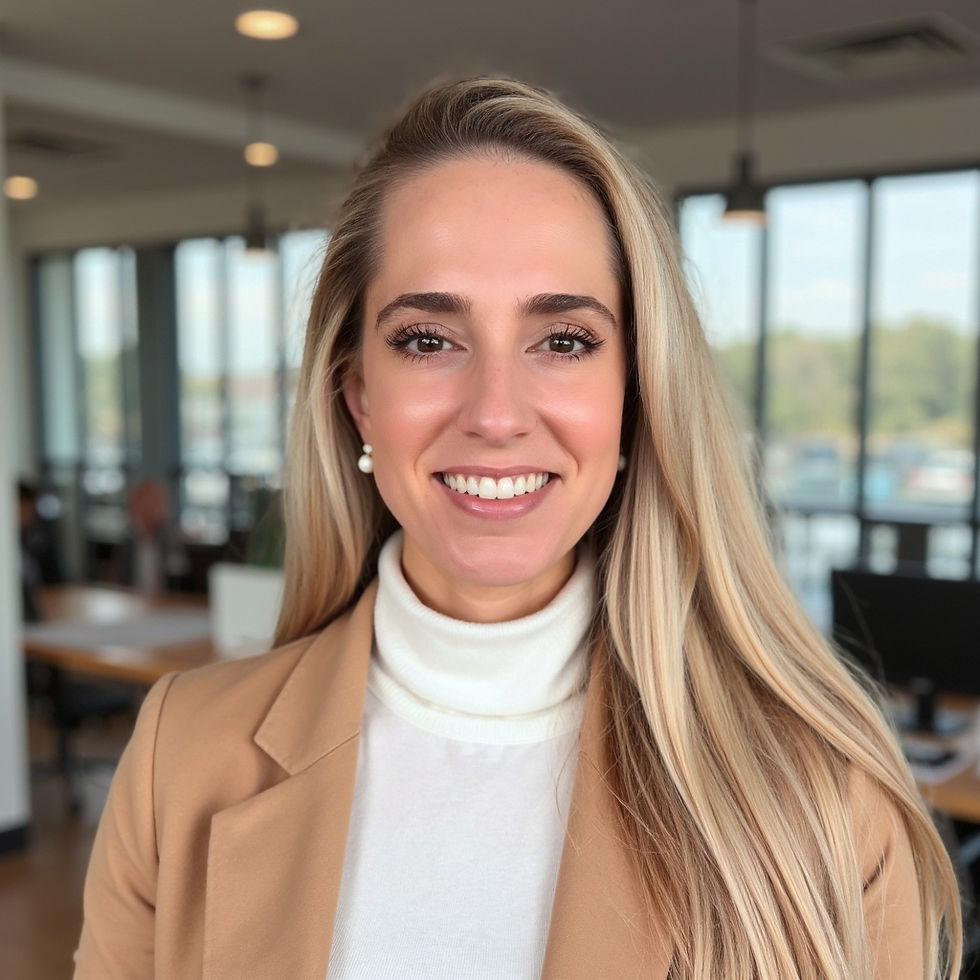
What Natalie believes and will say plainly:
Postpartum mental health cannot be separated from postpartum health.
The brain does not function independently of the body. Recovery after pregnancy involves nutrition, sleep, hormones, physical healing, gut health, stress, relationships, and emotional wellbeing—each influencing the others.
Thoughtful care means taking the time to understand the whole picture before deciding what treatment is most appropriate. Sometimes that includes medication. Sometimes it means addressing nutritional deficiencies, supporting recovery, improving sleep, or identifying underlying medical contributors. More often, it’s a combination of these approaches.
Every mother deserves care that asks why she feels the way she does—not simply how to quiet the symptoms.
She saw postpartum mothers struggling.
Now she’s the clinician helping them look deeper.
Most mothers who find Rooted Postpartum Care have already talked to someone. They’ve often been told their symptoms are “just postpartum,” their lab work looks normal, or they’ve been offered treatment without ever understanding why they feel the way they do.
They’re not simply looking for another opinion. They’re looking for someone willing to step back, connect the dots, and help them understand the whole picture.
That’s why I created Rooted Postpartum Care.
Throughout my career as a psychiatric nurse practitioner, I had the privilege of caring for women during pregnancy and postpartum. Again and again, I saw mothers carrying anxiety, depression, intrusive thoughts, rage, exhaustion, brain fog, and overwhelm while trying to care for everyone around them.
The more women I cared for, the more I realized postpartum mental health couldn’t be understood by looking at symptoms alone.
Pregnancy, birth, nutrition, sleep, hormones, physical recovery, gut health, inflammation, and the nervous system all influence emotional wellbeing. Yet these conversations often didn’t have the time or space they deserved.
I created Rooted Postpartum to bring those conversations together.
Credentials
-
Doctor of Nursing Practice (DNP), University of Maryland, Baltimore (graduated with honors)
-
Board-Certified Psychiatric Mental Health Nurse Practitioner (PMHNP-BC)
-
Certified Postpartum Nutrition Specialist (CPPNS)
-
Advanced Perinatal Mental Health Training (Postpartum Support International)
-
Functional & Integrative Medicine Training
-
Licensed in Maryland, Washington, DC, and Wyoming

OUR MISSION
Motherhood should not cost you yourself.
Rooted Postpartum Care exists to change the standard of postpartum care.
We believe women deserve more than coping strategies, dismissed symptoms, and being told that exhaustion, anxiety, rage, and brain fog are simply part of motherhood.
We start with the body—rebuilding what pregnancy, birth, and postpartum can deplete and looking deeper at what your symptoms are telling us.
Because when a woman is nourished, resourced, and understood, she doesn’t just learn to manage.
She comes back to herself.
And that’s the standard we’re here to change.
OUR VISION
A world where postpartum women are no longer expected to survive motherhood depleted.
Rooted is redefining postpartum recovery—where women are believed, their symptoms are taken seriously, and rebuilding the body is part of the standard of care.
Because postpartum depletion shouldn’t steal years from a woman’s life.
Restored women. Reclaimed lives. A new standard of postpartum care.